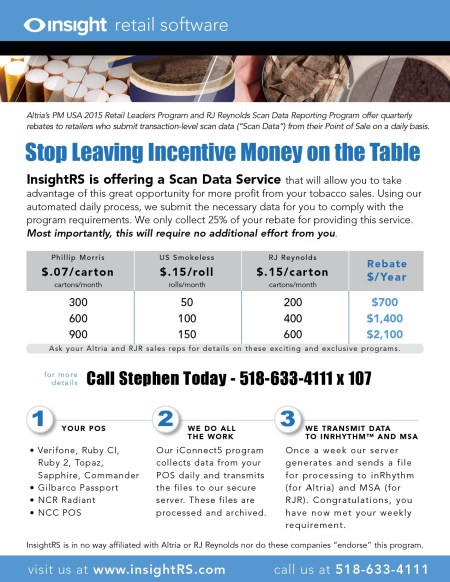
Don’t leave this money sitting on the table! Let us help you
Don’t leave this money sitting on the table! Let us help you
 Leave a Comment » |
  Scan Data Service, Uncategorized | Tagged: Altria PM, Altria's PM USA 2015 Retail Leaders Program, Cigarette rebates, Easy Money, Insight Retail Software, InsightRS, Philip Morris USA, RJ Reynolds, RJ Reynolds Scan Data Reporting Program, RJR, Scan Data Reporting, Scan Data Service for Rebates, Tobacco Shop |
  Permalink
 Posted by InsightRS
According to a recent research study from Forrester, EDI continues to prove its worth as an electronic message data format. This research states that “the annual volume of global EDI transactions exceeds 20 billion per year and is still growing.”1 For buyers that handle numerous transactions, using EDI can result in millions of dollars of annual savings due to early payment discounts. From a financial perspective alone, there are impressive benefits from implementing EDI. Exchanging documents electronically improves transaction speed and visibility while decreasing the amount of money you spend on manual processes. But cost savings is far from the only benefit of using EDI.

Source credit: http://www.edibasics.com/benefits-of-edi/
Leave a Comment » | Uncategorized | Tagged: back office for Gas Stations, back office for Verifone Ruby, back office software for Datasym, backoffice for passport, backoffice for Samsung, Commander, EDI, Electronic Data Interchange, Electronic Invoicing, gas station software, Gilbarco Passport, Insight Retail Software | Permalink
Posted by InsightRS
By moving from a paper-based exchange of business document to one that is electronic, businesses enjoy major benefits such as reduced cost, increased processing speed, reduced errors and improved relationships with business partners. Learn more about the benefits of EDI here. »
Each term in the definition is significant:


Source credit:
Leave a Comment » | back office software for c-stores, Uncategorized | Tagged: back office for Gas Stations, back office for Verifone Ruby, back Office software for C-Stores, Back Office Software for Datasym EliXR, backoffice for passport, backoffice for ruby, backoffice software for Passport, EDI, Electronic Data Interchange, gas station software, point of sale software | Permalink
Posted by InsightRS

Leave a Comment » | Uncategorized | Permalink
Posted by InsightRS
Call today for more information!
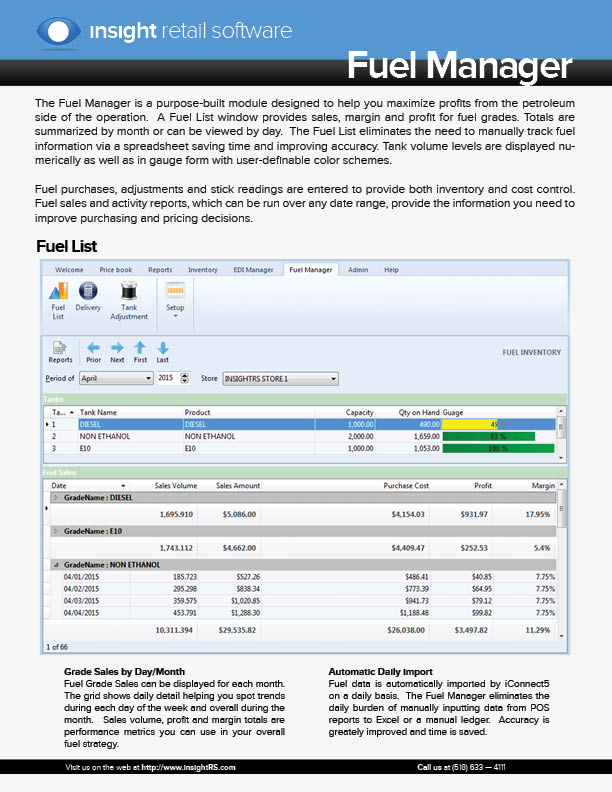
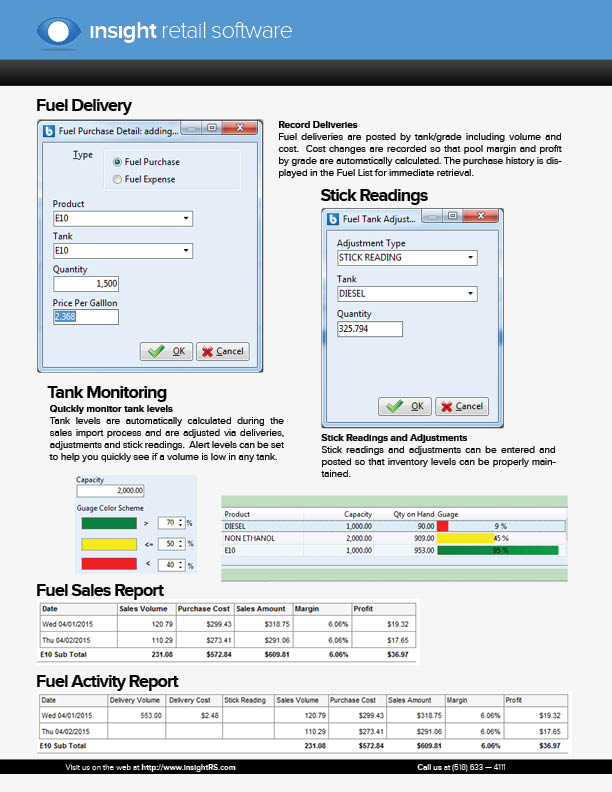
Leave a Comment » | Uncategorized | Tagged: back office, back office for Canada Passport, back office for Gas Stations, back office for Gilbarco Passport, back office for NCC, back office for NCC Reflection POS, back office for Passsport POS, back office for Ruby Sapphire, back office for Verifone Ruby, back office software, back Office software for C-Stores, back office software for convenience stores, back office software for Datasym, Back office Software for Datasym 651, back office software for Datasym Cash Registers, back office software for Datasym Elixer, Back Office Software for Datasym EliXR, back office Software for Gas Stations, back office software for Gilbarco Passport Point of Sale, back office software for Passport, back office Software for Verifone Topaz, backoffice for passport, backoffice for ruby, convenience store back office software, convenience store software, EMV, Fuel Manager | Permalink
Posted by InsightRS
EMV – it’s what everyone is talking about. Where do we begin? Let’s start with a Glossary of Terms.
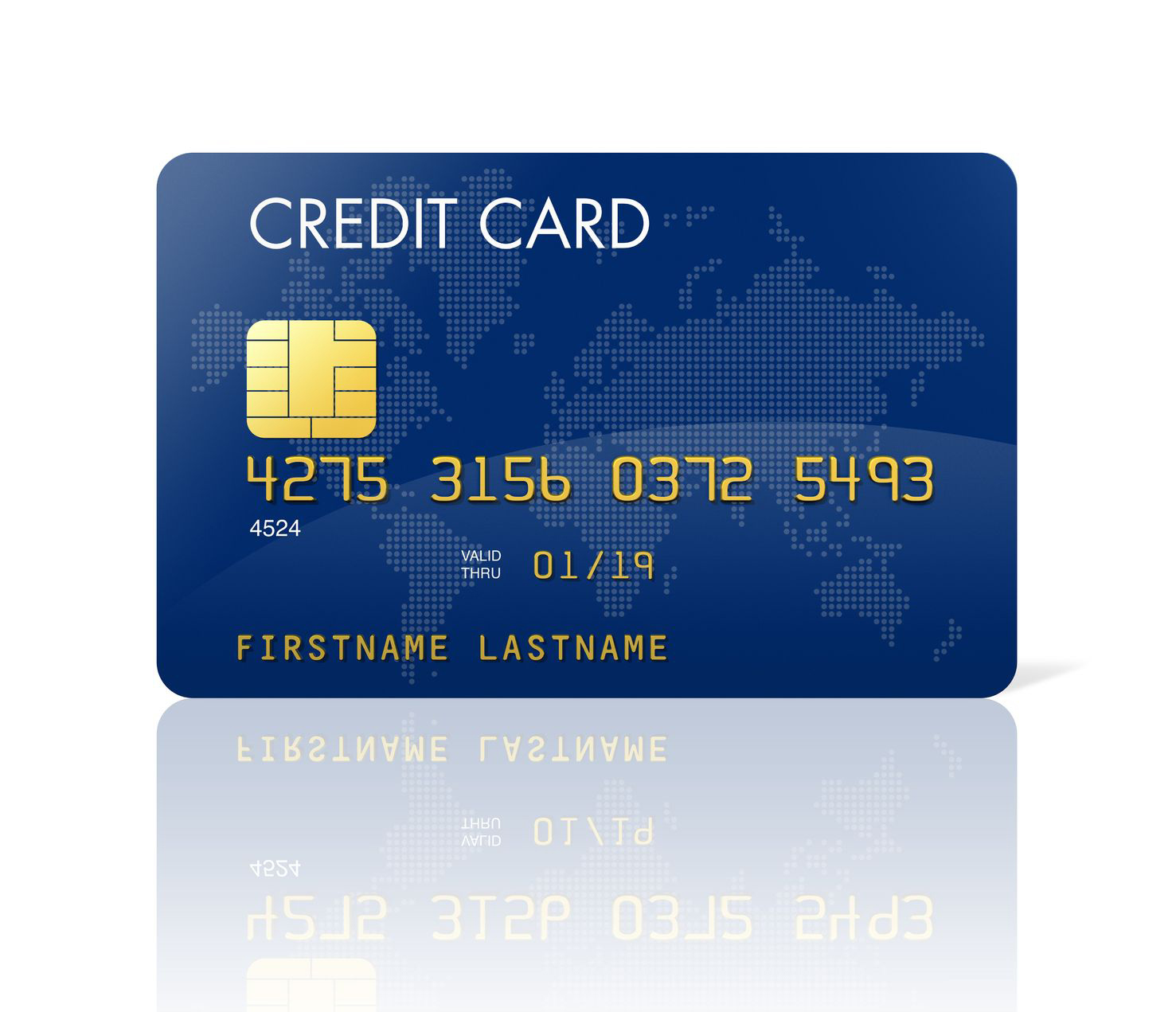
Chip and PIN
Chip and PIN is a brand name adopted by the banking industries for the two-part authentication process of inserting your chip card, and entering a PIN while the card is still inserted.
Chip and Signature
Chip and Signature is an alternative implementation that requires the cardholder to verify identity by signing a printed receipt, rather than entering a PIN.
Chip and Choice
Chip and Choice denotes the choice between Chip and PIN or Chip and Signature.
Contactless
Contactless payment is a change to the way debit or credit payment is handled when making a purchase. Contactless payment transactions require little to no physical connection between the card and the checkout device. Instead of “swiping” or “inserting” a card, the contactless card or fob is tapped on or held within an inch of a machine that reads the card, with the payment information is sent to the merchant wirelessly. Contactless credit and debit cards include a smart card chip.
EFT
Electronic Funds Transfer (EFT) is a system of transferring money from one bank account directly to another without any paper money changing hands.
EMV
EMV, which stands for Europay, MasterCard, and Visa, is a global standard for inter-operation of integrated circuit cards (IC cards or “chip cards”) and IC card capable point of sale (POS) terminals and automated teller machines (ATMs), for authenticating credit and debit card transactions.
EMV “Ready” devices vs. EMV Certified/Validated
EMV Ready devices refer to payment terminals that have the hardware capability and are level 1 certified to accept EMV transactions. When referring to EMV certified in context of POS applications, this would indicate that the hardware as well as the software/firmware resident on the hardware are certified as compliant and able to accept EMV transactions. In most cases the hardware and software combination would need to be certified with specific card brands (Visa, MC. Etc.) and with specific payment processors (First Data, Vantiv, Etc.).
Encryption
Encryption is the process of translating information into a code that can only be read if the reader has access to the key that was used to encrypt it. There are two main types of encryption—asymmetric (or public key) and symmetric (or secret key).
Insert and Pay
Insert and Pay is a term used often when describing a typical EMV payment transaction. Insert refers to the insertion of a chip enabled credit card into the EMV reader, or slot, on a payment terminal.
NFC
Near Field Communication (NFC) is a set of close-range wireless communication standards. NFC-equipped smartphones and other devices can exchange information with each other with a simple tap or wave.
PAT
An acronym used for Pay at Table. Typically referring to wireless devices accepting electronic payments such as Credit, Debit, etc. pay at table devices allow servers to accept and process payments without leaving the customers view.
Payment Unaware/ Out of Scope
The PCI PA-DSS applies to a payment application (as defined by PCI SSC) as follows: “The PA-DSS applies to software vendors and others who develop payment applications that store, process, or transmit cardholder data as part of authorization or settlement.” An out of scope, or payment unaware integration removes the POS application from PCI PA-DSS Scope as card data is never available to the POS application. An ‘Out of Scope’ solution for the integrated 3rd party POS application does not eliminate a merchant’s compliance responsibility to PCI DSS requirements.
Semi-Integrated
In a semi-integrated environment, the terminal or peripheral device used to capture credit card data is connected to the POS application, but the application used to actually process card payments is on a separate device.
Tap and Pay
Tap and Pay is another term commonly used to describe contactless payments.
Tokenization
Tokenization, when applied to data security, is the process of substituting a sensitive data element with a non-sensitive equivalent, referred to as a token that has no extrinsic or exploitable meaning or value.
Thanks to NCC for providing EMV education and Glossary of Terms at the NCC Dealer Conference 2015
Leave a Comment » | Uncategorized | Tagged: back office for Gas Stations, back office for NCC, back office for NCC Reflection POS, back office for Ruby Sapphire, back office for Verifone Ruby, back Office software for C-Stores, back office software for convenience stores, backoffice for passport, EMV, POSToday, retail back office | Permalink
Posted by InsightRS
It’s Spring! That means spring forward, change the batteries on the smoke detectors and BACKUP YOUR DATA. Backing up your data is like flossing your teeth. You don’t have to floss them all – just the ones you want to keep.
Leave a Comment » | Uncategorized | Tagged: back office for Canada Passport, back office for Gas Stations, back Office software for C-Stores, back office software for Datasym, Back Office Software for Datasym EliXR, back office software for Passport, backoffice for passport, backoffice for ruby, convenience store software, gas station software, Insight Retail Software, inventory control Software for Passport, point of sale software, Spring | Permalink
Posted by InsightRS



1 Comment | back office software for c-stores, back office software for passport, backoffice software for gas stations, c-store software, Uncategorized | Permalink
Posted by InsightRS


Leave a Comment » | Uncategorized | Tagged: backoffice software, EDI, Ruby Sapphire software | Permalink
Posted by InsightRS
 Instagram has been around since 2011 and started as a way to quickly snap a photo, use their cool editing filters and put those pics out in the unfiltered world. Instagram allowed its users to post photos without having to send friend requests or worry about much of anything. But then in 2012 Instagram was purchased by Facebook and the bar started to rise. Suddenly there were more cool filters, video capabilities and sharing between Facebook and other Social Media sites became easier and people started to jump on the bandwagon. The users grew from teenage girls and college kids to movie stars, sports teams, TV Shows and businesses. On March 25, 2014 Instagram announced having more than 200 million active monthly users beating out Twitter in terms of number of mobile customers in the US. They also shared the fact that Instagram had already surpassed the ’20 billion photos shared’ mark. Instagram became a household name.
Facebook has friends, groups and pages. Instagram’s feed is unfiltered and can be seen by anyone. People (or let’s say ‘Shoppers)’ have a plethora of content available from friends and businesses they follow, and chances are – they want to see what you have available for sale! So, keep your smartphone close and snap often! Remember this, snap now, edit later if you need to. You would be amazed at how wonderful a quick photo can look on Instagram! A great way to advertise a new product, a new shelf placement or just something fun. Once you become a pro, you’ll be snapping and posting with no real interruption to your day.
2. Showcase yourself!
Everyday photos are a huge hit on Instagram. Snap a photo of an employee with a new or fun product. Better yet, have your employees post a photo on their Instagram showing the store, various products or a special event. Use the many cool filter effects to turn a quick snap into something that looks professional.
3. Take Instagram behind the scenes
Shoppers get a warm and fuzzy connection when they get a taste of what everyday life is for store owners and store employees. Share a few photos of trade shows, your participation in charity events, trips to market, a video of food parings, etc. Do whatever is relative to your business. Let the customer know who you are [with limits of course].
#4. # Hashtags !
What are they and what is their purpose? I’ll let Wikipedia have the honors:
A hashtag is a word or an unspaced phrase prefixed with the number sign (“#”). It is a form of metadata tag. Words in messages on microblogging and social networking services such as Twitter, Facebook, Google+ or Instagram may be tagged by putting “#” before them,[1] either as they appear in a sentence, (e.g., “New artists announced for #SXSW2014MusicFestival”)[2] or appended to it.
Hashtags make it possible to group such messages, since one can search for the hashtag and get the set of messages that contain it. A hashtag is only connected to a specific medium and can therefore not be linked and connected to pictures or messages from different platforms.
#anyquestions #thatWASlong #annoyed #didNOTreadthat
Create your own hashtags to interact with your customers using your store name, a catch phrase, a charity event or a product name. Make it fun and take advantage of this opportunity to reach new customers while staying connected to your current customers. A great way to promote sales, events, products.
Take advantage of the CAPTION section by directing shoppers to your website or Facebook page where more information can be found. Don’t forget the videos! A quick video from a customer or a video walk around the store or product demonstration videos are all great marketing tools. With one click your photo or video capture can be pushed to your Company Facebook Page. This gives you double coverage for the same effort.
Instagram is a fun and easy way to promote your business! Get started today!
Good luck!

Leave a Comment » | Uncategorized | Tagged: back office for Gas Stations, back Office software for C-Stores, back office software for Datasym, Back Office Software for Datasym EliXR, back office software for health food stores, backoffice for passport, Gilbarco Passport, Growing a business, Instagram, inventory control Software for Passport, Marketing for small business, point of sale software, Social Media | Permalink
Posted by InsightRS
You are currently browsing the archives for the Uncategorized category.


 Insight Retail Software Blog