
That means spring forward
change the batteries on the smoke detectors
and
— BACKUP YOUR DATA —
Backing up your data is like flossing your teeth.
You don’t have to floss them all
just the ones you want to keep.
and
Backing up your data is like flossing your teeth.
 Leave a Comment » |
  back office software for c-stores, Uncategorized | Tagged: back office for Gas Stations, back office software for Datasym, Back Office Software for Datasym EliXR, back up data, backoffice for passport, backoffice for Samsung, Datasym EliXR, Gilbarco Passport, Insight Retail Software, inventory control Software for Passport, Scan Data Reporting |
  Permalink
 Posted by InsightRS
ALEXANDRIA, Va. – This week NACS told policymakers about industry concerns with a proposed rule published by the U.S. Department of Agriculture that includes problematic new eligibility standards for retailers participating in the Supplemental Nutrition Assistance Program (SNAP).
“The proposed [SNAP] rule would make tens of thousands of small businesses ineligible to participate in the Program. Small businesses will be harmed and SNAP beneficiaries, who rely on these small stores in both urban and rural environments, will lose options they need to feed their families,” wrote NACS in a letter to the chairman and ranking member of the House Appropriations Subcommittee on Agriculture, Rural Development, Food and Drug Administration and Related Agencies, and the chairman and ranking member of the House Agriculture Committee.
As previously reported by NACS, on February 17, the U.S. Department of Agriculture’s Food & Nutrition Service (FNS) published a proposed rule altering eligibility requirements for retailers participating in SNAP. While the proposal codifies the 2014 Farm Bill provisions, which NACS supported, it also makes other changes to retailer eligibility requirements that Congress never intended to address in the 2014 Farm Bill. The proposal would impede neighborhood retailers’ ability to participate in the program, which in turn would hinder food accessibility for SNAP recipients that use their benefits at these small format retail locations.
“It appears that FNS is trying to push small retailers out of the SNAP program altogether, for no sound public policy reason,” NACS wrote to Congress, adding that Food, Nutrition and Consumer Services Undersecretary Kevin Concannon recently testified before the House Appropriations Committee that there are more small stores participating in SNAP “than we really need.”
The USDA’s SNAP proposal codifies the 2014 Farm Bill “depth of stock” provisions, which require retailers to stock 7 varieties of products in each of the four “staple food” categories. Problematically, the proposal also includes several changes that were neither required nor envisioned by the 2014 Farm Bill.
The proposal redefines the term “staple foods” and limits the items that may count as staple foods for depth of stock determinations. Under the proposal, multiple ingredient items (e.g. soups or frozen dinners) would not count towards depth of stock requirements. The proposal also expands the definition of “accessory foods” to include foods consumed between meals, like snacks (e.g. hummus and pretzel packs).
Because accessory and multiple ingredient foods may not be counted as staple foods for depth of stock determinations—the proposal essentially narrows the universe of acceptable foods that a retailer can stock to participate in SNAP, ultimately raising the stocking numbers beyond the numbers established by Congress.
Next week in Washington during the NACS Government Relations Conference, industry stakeholders will be communicating to members of Congress and their staffs that convenience stores play a fundamental role in SNAP, particularly for low-income Americans who live in rural or urban environments. By making it increasingly difficult for small format retailers to participate in SNAP, the proposal would essentially punish SNAP beneficiaries by requiring them to travel outside of their local neighborhoods where larger format retailers may not exist.
A memorandum analyzing the proposal is available online exclusively for NACS members.
Leave a Comment » | Uncategorized | Tagged: Altria's PM USA 2015 Retail Leaders Program, back office for Gas Stations, back office software for Datasym, backoffice for CStores, backoffice for passport, Backoffice for Sam4s, backoffice software, Datasym EliXR, Insight Retail Software, NACS, Scan Data Reporting, scanning for c-Stores, scanning for convenience stores, scanning for Passport | Permalink
Posted by InsightRS

March 1, 2016, 03:07 pm By Joan Driggs, Stagnito Business Information
LAS VEGAS — Independent grocers have convenience stores on their radar.
An educational session at this week’s The 2016 NGA Show, hosted by the National Grocers Association (NGA), discussed the need for independent grocers to compete against convenience stores and provided some key takeaways on how to successfully do so.
Panelists representing leading independent grocers such as Niemann Foods, Buche Foods and Docs Food Stores pointed out that convenience stores are continually upping their food retailing game with more grab-and-go and fresh prepared items. Independent grocers need to stay competitive to remain the go-to destination for shoppers, whether they’re on a weekly fill-up trip or a quick stop on their way from work.
Nine-store chain Docs Food Stores, based in Bixby, Okla., has moved many convenience items to the front of its stores, including beverages and quick meals, according to speaker Courtney Brown, vice president and chief operating officer. The chain also added an express register to help customers make a quick purchase, he shared.
Additionally, Docs takes advantage of low-priced meal deals from its hot bar and utilizes outdoor seasonal displays — such as a farm-stand truck — to communicate that its stores have more to offer than traditional convenience stores.
Brown stressed that having enough staffing is critical because customers don’t want to wait in line ever, but especially when they’re on a quick trip, it could be a deal breaker.
RF Buche, president of Buche Foods, a South Dakota chain of grocery and convenience stores (some of which offer fuel) told NGA Show attendees that rethinking your basic grocery retail strategies is key to success. Appealing to convenience shoppers means putting yourself in their shoes — not just in terms of what assortment might appeal, but also the experience.
Clean bathrooms are not to be underestimated, he noted. Buche Foods brags that it cleans its restrooms seven times a day. The company has even hosted manager bathroom-decorating contests.
Niemann Foods, based in Quincy, Ill., has about 100 stores under its umbrella, including grocery, convenience, hardware and pet stores. Rich Niemann III, director of convenience operations, discussed the company’s recent evolution in its convenience business.
The company underwent an evaluation about five years ago to determine the best place to invest and reinvent. The result is Harvest Market, two convenience stores with a focus on fresh prepared foods.
Harvest Market features sandwiches, soups and other fresh items prepared daily; hot and cold fountain beverages; and self-serve Sweet Berry frozen yogurt and toppings.
Like Buche Foods, Harvest Market makes use of its fuel operations to drive customers into the store. “Consider that 60-70 percent of fuel customers might not go inside,” Niemann said.
The 2016 NGA Show is taking place Feb. 28 through March 2 at Las Vegas’ Mirage Hotel & Casino. The annual event brings together independent retailers and wholesalers, food retail industry executives, food/consumer packaged goods manufacturers, and service providers for opportunities to learn, engage, share, network and innovate.
The National Grocers Association is the only industry association devoted exclusively to the needs of independent grocers.
 About Joan Driggs is Editorial Director of Progressive Grocer and Progressive Grocer Independent. She has more than 25 years of experience in trade journalism and market research. Joan enjoys connecting with CPG manufacturers and grocery retailers, and learning how they connect for the benefit of consumers. Her roots are in new product development and she continues to seek out the latest in greatest at grocery retail. To connect with Joan, email jdriggs@stagnitomail.com, or reach out on Twitter, @JoanPGrocer.
Leave a Comment » | c-store software, Uncategorized | Tagged: back office for Esso stations, back office for Gas Stations, backoffice for Samsung, backoffice software for Passport, c-Store Software, C-Stores, Datasym EliXR, Esso in Canada, Insight Retail Software, point of sale software, scanning for c-Stores, Scanning for Datasym, Scanning for Gilbarco | Permalink
Posted by InsightRS
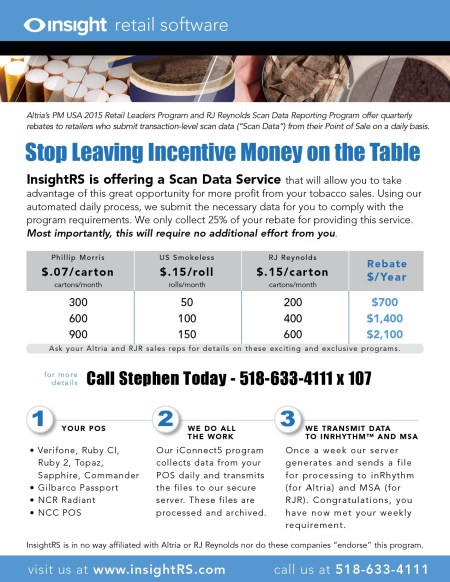
Don’t leave this money sitting on the table! Let us help you
Leave a Comment » | Scan Data Service, Uncategorized | Tagged: Altria PM, Altria's PM USA 2015 Retail Leaders Program, Cigarette rebates, Easy Money, Insight Retail Software, InsightRS, Philip Morris USA, RJ Reynolds, RJ Reynolds Scan Data Reporting Program, RJR, Scan Data Reporting, Scan Data Service for Rebates, Tobacco Shop | Permalink
Posted by InsightRS
According to a recent research study from Forrester, EDI continues to prove its worth as an electronic message data format. This research states that “the annual volume of global EDI transactions exceeds 20 billion per year and is still growing.”1 For buyers that handle numerous transactions, using EDI can result in millions of dollars of annual savings due to early payment discounts. From a financial perspective alone, there are impressive benefits from implementing EDI. Exchanging documents electronically improves transaction speed and visibility while decreasing the amount of money you spend on manual processes. But cost savings is far from the only benefit of using EDI.

Source credit: http://www.edibasics.com/benefits-of-edi/
Leave a Comment » | Uncategorized | Tagged: back office for Gas Stations, back office for Verifone Ruby, back office software for Datasym, backoffice for passport, backoffice for Samsung, Commander, EDI, Electronic Data Interchange, Electronic Invoicing, gas station software, Gilbarco Passport, Insight Retail Software | Permalink
Posted by InsightRS
It’s Spring! That means spring forward, change the batteries on the smoke detectors and BACKUP YOUR DATA. Backing up your data is like flossing your teeth. You don’t have to floss them all – just the ones you want to keep.
Leave a Comment » | Uncategorized | Tagged: back office for Canada Passport, back office for Gas Stations, back Office software for C-Stores, back office software for Datasym, Back Office Software for Datasym EliXR, back office software for Passport, backoffice for passport, backoffice for ruby, convenience store software, gas station software, Insight Retail Software, inventory control Software for Passport, point of sale software, Spring | Permalink
Posted by InsightRS
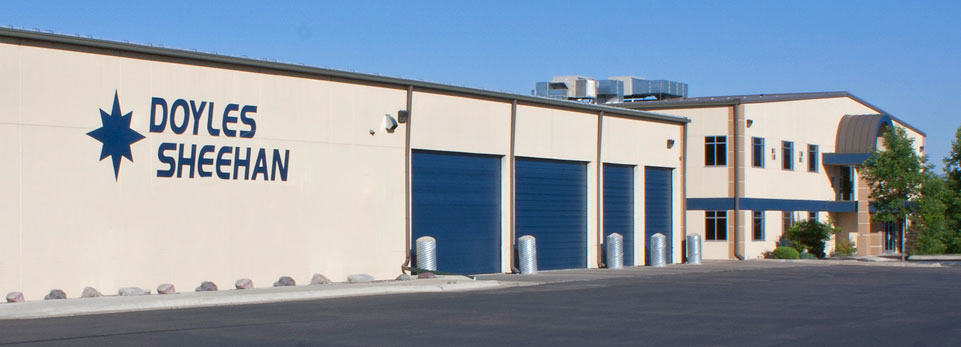
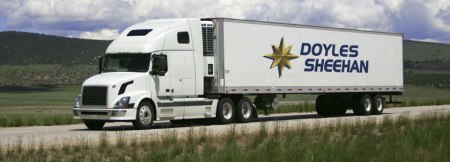
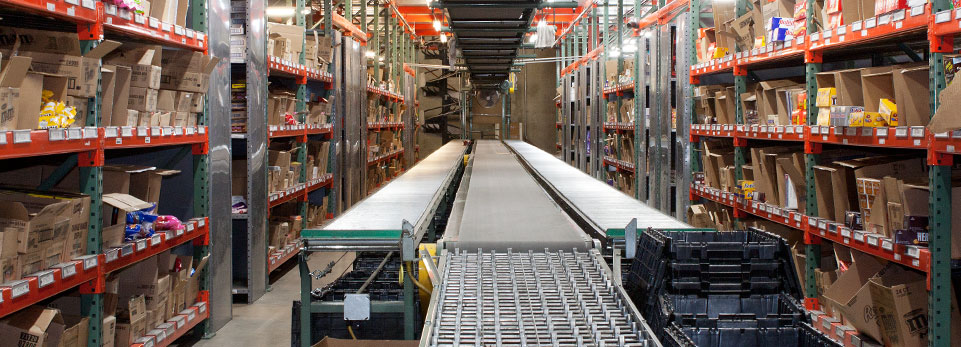
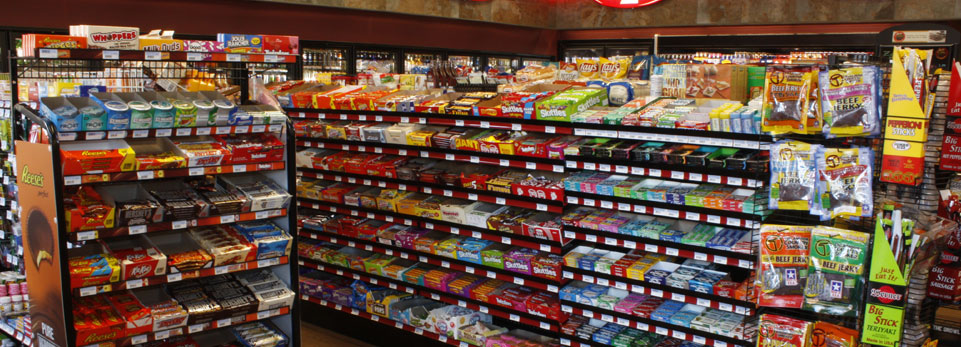
For more than 35 years, Doyles Sheehan has been a full-service distributor of food service, convenience and grocery products to a diverse customer base throughout the greater Northwest. DS has customers throughout Oregon, Washington, Idaho, Montana, Wyoming and North Dakota. They know how to compete effectively in the wholesale industry while always keeping their primary focus on the customer. I saw this first hand as InsightRS was invited to attend their Annual Tradeshow in Coeur d’Alene, Idaho.
This family-owned and family-operated company, is nothing short of top-notch. They reach far beyond simply selling products to their customers. They truly know the importance of traditional, dependable and superior service. They show daily that these core values, combined with sophisticated inventory, ordering, delivery and marketing systems are crucial to success for them and their customers.
EDI refers to the transfer of electronic data. Our EDI Module allows Doyles Sheehan customers to import their invoices directly into backOffice™ Software electronically from Doyles Sheehan. Gone are the days of spending HOURS on data entry to update pricing and receiving orders. Once imported, backOffice™ will identify new products received from Doyles Sheehan, any price or cost changes and the quantity shipped of each item. With the click of a button, new items are added, price and cost changes are made, and an order is created in the inventory module!
The low cost of this module added to backOffice™ Software will very quickly pay for itself in hours saved on data entry and missed price changes. Join the other Doyles Sheehan customers and start growing your business the easy way!

1 Comment | Uncategorized | Tagged: back office for Gas Stations, back office for Verifone Ruby, back Office software for C-Stores, back office software for Datasym, back office software for Ruby Sapphire, back office software for Sapphire, back office software for Verifone, backoffice for passport, backoffice for ruby, backoffice software for Passport, convenience store software, Doyles Sheehan, EDI, Electronic Data Interchange, Insight Retail Software, InsightRS, Inventory control software | Permalink
Posted by InsightRS
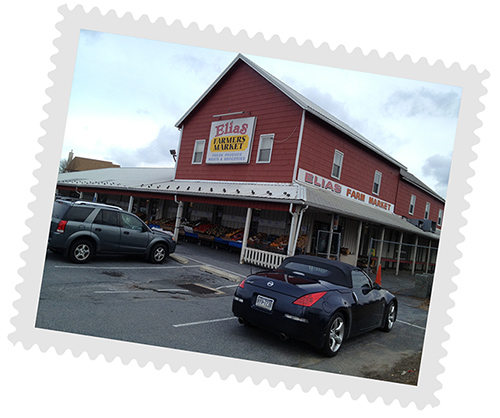
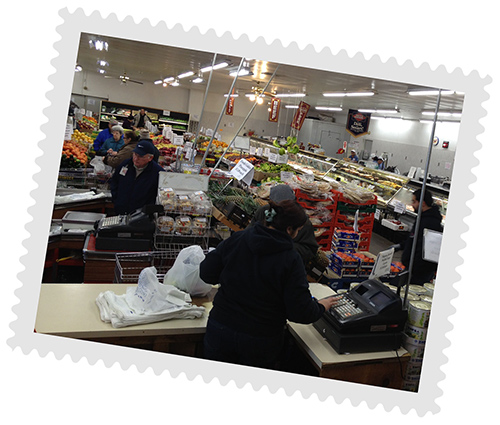
We are very excited to have added Elias Market to our circle. Elias Market has two specialty food stores, located in Beth and Allentown PA, where among other things they sell amazing produce.
We were brought in by Andy from Andy Bednar’s Point of Sale to help improve the system at the store. The customer uses Datasym 650 cash registers and with their growing business needed a better way to maintain their ever-changing prices. They will be able to maintain both stores from their main location.
Tina and I are huge consumers of produce, we use a Vitamix to make green shakes for breakfast every day. These shakes contain fruits and vegetables and truly offer noticeable health benefits. We go to lots of different stores to get the ingredients (right now its Green Grocer (IRSI customer) Aldi, Price Chopper (one of our local chains of grocery stores) and Walmart). If we lived anywhere near Elias we would only go there for sure. Not only do they carry an amazing variety of produce but also beautiful meats and specialty items.
Visit them if you are even close, I know I would!
Leave a Comment » | back office software for c-stores, c-store software, General | Tagged: Allentown, back office software for grocery stores, back office software for health food stores, backoffice software, Beth, Datasym XR650, Insight Retail Software, InsightRS, PA | Permalink
Posted by InsightRS
A new customer to Insight reported that backOffice™ just saved him $280 because as he was adding in a purchase order from Lay’s he realized they were not giving him the items at the agreed upon sale price so he was actually selling the items below his cost.
Want your business to DO BETTER? Visit http://insightrs.com for more information and give us a call at 518.633.4111

Leave a Comment » | back office software for passport, Uncategorized | Tagged: back office for Gas Stations, back office for Verifone Ruby, back Office software for C-Stores, back office software for Passport, backoffice for passport, backoffice for ruby, backoffice software for Passport, c-Store Software, Datasym EliXR, do better, Gilbarco Passport, Insight Retail Software, inventory control Software for Passport, point of sale software | Permalink
Posted by InsightRS

Leave a Comment » | back office software for c-stores | Tagged: back office, back office for Gas Stations, back office for Verifone Ruby, Back Office Software for Datasym EliXR, backoffice for passport, backoffice for ruby, Backoffice for Sam4s, backoffice for Samsung, backoffice software, Gilbarco Passport, Insight Retail Software | Permalink
Posted by InsightRS


 Insight Retail Software Blog