Convenience Stores Offer More Convenience

February 23, 2016

Convenience Stores Sell Time

Convenience stores offer speed of service to time-starved consumers who want to get in and out of the store quickly. These shoppers recognize this channel of trade for its convenient locations, extended hours of operation, one-stop shopping, grab-and-go foodservice, variety of merchandise and fast transactions.

The average convenience store is 2,744 square feet. New stores are bigger, with 3,590 square feet, with about 2,582 square feet of sales area and about 1,008 square feet of non-sales area — a nod to retailers recognizing the importance of creating destinations within the store that require additional space — whether coffee islands, foodservice areas with seating or financial services kiosks. Convenience stores also have expanded their offerings over the last few years, with stores become part supermarket, restaurant, gas station and even a bank or drugstore. (NACS State of the Industry data)

The convenience store industry is America’s primary source for fuel. Overall, 83.5% of convenience stores (127,588 total) sell motor fuels, a .7% increase (960 stores) over 2013. The growth of convenience stores selling motor fuels is nearly double the overall growth in the industry, as fuels retailers added convenience operations and convenience retailers added fueling operations.

Convenience stores have an unmatched speed of transaction: The average time it takes a customer to walk in, purchase an item and depart is between 3 to 4 minutes. Here’s the breakdown: 35 seconds to walk from the car to the store, 71 seconds to select item(s), 42 seconds to wait in line to pay, 21 seconds to pay and 44 seconds to leave store. (NACS Speed Metrics Research, 2002)

The convenience store industry is a destination for food and refreshments. With falling revenues from fuels and tobacco products, foodservice sales are increasingly becoming convenience stores’ most profitable category. In fact, convenience store foodservice is roughly a $41 billion industry contributing 19.4% to in-store sales in 2014 (NACS State of the Industry Report of 2014 Data).

Convenience stores are everywhere. There are 152,794 convenience stores in the United States — one per every 2,095 people. Other competing channels have far fewer stores, such as supermarkets (41,529 stores), drugstores (41,799 stores), and dollar stores (26,572). (Source: Nielsen, as of December 31, 2014)

Consumers are embracing convenience stores like never before. An average store selling fuel has around 1,100 customers per day, or more than 400,000 per year. Cumulatively, the U.S. convenience store industry alone serves nearly 160 million customers per day, and 58 billion customers every year.

Self-serve at the pump is a part of most convenience stores’ fueling operations. The first self-serve gas station was opened by Hoosier Petroleum Co. in 1930, but was closed by the fire marshal as being a fire hazard. Frank Ulrich reintroduced the idea in 1947 at the corner of Jilson and Atlantic in Los Angeles. Modern self-service began in 1964 with the introduction of remote fueling; an attendant was no longer required to reset the pumps after each transaction. Today it is now available in 48 states. (New Jersey and Oregon still require full-service operations; New Jersey’s law was enacted in 1949; Oregon’s in 1951.)​

http://www.nacsonline.com/Research/FactSheets/scopeofindustry/pages/convenience.aspx

This slideshow requires JavaScript.


Profit Comes from Healthier Options in C-Stores

February 22, 2016

KWIK TRIP RECOGNIZED FOR PROVIDING HEALTHIER OPTIONS

By June 2017, Kwik Trip will offer an expanded stock of healthier options and increase better-for-you choices in the checkout area.
February 22, 2016

​LA CROSSE, Wisc. – The Partnership for a Healthier America (PHA), which works with the private sector and its Honorary Chair First Lady Michelle Obama to make healthier choices easier, is recognizing Kwik Trip as the first convenience store to complete its commitment to expand healthier options across its stores.

“With more consumers expecting to find fresh and healthy items on the go, the convenience store industry is in the midst of a momentous shift, one that Kwik Trip has been leading for several years now,” said PHA CEO Lawrence A. Soler. “Just a few years ago it was unusual to see fresh fruit in many convenience stores, but today, Kwik Trip sells 400 pounds of bananas per store per day. In fact, after making a commitment to PHA, Kwik Trip’s bulk produce sales grew 5.5% in 2015.”

Since first teaming up with PHA in 2014, Kwik Trip has fulfilled its initial commitment to PHA by:

  • Introducing at least four categories of fresh fruits and four categories of fresh vegetables across its stores;
  • Expanding its whole grain rich offerings to at least six products; and
  • Implementing a Healthy Concessions Program in local schools.

In addition, through its EatSmart program, designed to encourage healthier options, Kwik Trip is the first convenience store to offer a PHA-approved combo meal.

“Kwik Trip has made many advancements over the past two years to make healthier choices more convenient and accessible for our guests,” said Erica Flint, registered dietitian for Kwik Trip. “We have enjoyed working with PHA and receiving the positive feedback from guests on the programs we have implemented. We are eager to continue our partnership with PHA and get to work on our expanded commitments.”

Building upon these efforts as a part of its new commitment to PHA, by June 2017 Kwik Trip will offer an expanded stock of healthier options, including healthier packaged foods like nuts and granola bars throughout the store, and will increase healthier options in the checkout area. In addition, Kwik Trip will continue to encourage more consumers to drink water more often through its support of PHA’s Drink Up initiative.

From Sheetz on the East Coast to Kwik Trip in the Midwest to Loop stores in California, convenience stores have taken note of consumer demand for healthier options. Recognized as innovators in the foodservice industry, these stores and others, including U-Gas and Twice Daily, have teamed up with the Partnership for a Healthier America (PHA) to offer healthier options like fresh-cut fruits and vegetables, nonfat and low-fat dairy products and whole grain items; and they’re promoting those healthier products through marketing efforts in the store and at the pump.

And through the NACS reFresh initiative, convenience retailers are discovering new ideas that enhance their operations and communication efforts to showcase the industry’s positive business practices with the public, media and policymakers. Partnerships with groups such as PHA that share similar values are fostering best practices and making a difference.

http://www.nacsonline.com/Media/Daily/Pages/ND0222161.aspx#.VstUyPkrLRY

fruit_selection_155265101_web

backOffice™ Software from Insight Retail Software will handle your c-Store healthier options beautifully! Do Better with InsightRS.


What is EDI (Electronic Data Interchange)?

January 14, 2016

What is EDI? Electronic Data Interchange (EDI) is the computer-to-computer exchange of business documents in a standard electronic format between business partners.

By moving from a paper-based exchange of business document to one that is electronic, businesses enjoy major benefits such as reduced cost, increased processing speed, reduced errors and improved relationships with business partners. Learn more about the benefits of EDI here. »

Each term in the definition is significant:

  • Computer-to-computer– EDI replaces postal mail, fax and email. While email is also an electronic approach, the documents exchanged via email must still be handled by people rather than computers. Having people involved slows down the processing of the documents and also introduces errors. Instead, EDI documents can flow straight through to the appropriate application on the receiver’s computer (e.g., the Order Management System) and processing can begin immediately. A typical manual process looks like this, with lots of paper and people involvement:
    Manual EDI (Electronic Data Interchange) Document Exchange
    The EDI process looks like this — no paper, no people involved:
    EDI (Electronic Data Interchange) Document Exchange
  • Business documents – These are any of the documents that are typically exchanged between businesses. The most common documents exchanged via EDI are purchase orders, invoices and advance ship notices. But there are many, many others such as bill of lading, customs documents, inventory documents, shipping status documents and payment documents.
  • Standard format– Because EDI documents must be processed by computers rather than humans, a standard format must be used so that the computer will be able to read and understand the documents. A standard format describes what each piece of information is and in what format (e.g., integer, decimal, mmddyy). Without a standard format, each company would send documents using its company-specific format and, much as an English-speaking person probably doesn’t understand Japanese, the receiver’s computer system doesn’t understand the company-specific format of the sender’s format.
    • There are several EDI standards in use today, including ANSI, EDIFACT, TRADACOMS and ebXML. And, for each standard there are many different versions, e.g., ANSI 5010 or EDIFACT version D12, Release A. When two businesses decide to exchange EDI documents, they must agree on the specific EDI standard and version.
    • Businesses typically use an EDI translator – either as in-house software or via an EDI service provider – to translate the EDI format so the data can be used by their internal applications and thus enable straight through processing of documents.
  • Business partners – The exchange of EDI documents is typically between two different companies, referred to as business partners or trading partners. For example, Company A may buy goods from Company B. Company A sends orders to Company B. Company A and Company B are business partners.

Source credit:

What is EDI (Electronic Data Interchange)?


Happy New Year from Insight Retail Software

January 6, 2016


Thanks to all of our wonderful customers and vendors for making 2015 a great year.  We look forward to an exciting 2016 filled with health and happiness!

InsightRS Happy New Year


backOffice™ Software integration with Radiant RPOS v6 has been completed with NCR Corporation

June 2, 2015

Contact:   Timothy Rischbieter
Tel:  518-633-4112
tim@insightrs.com

FOR IMMEDIATE RELEASE


HADLEY, NY June 2, 2015
 –  Insight Retail Software [InsightRS] announces the integration of their backOffice™ Software to NCR Corporation’s [NCR] Radiant RPOS v6.

InsightRS and NCR have joined forces to provide a complete back-to-front C-Store Solution.  InsightRS has successfully completed back Office integration with Radiant RPOS v6 12C1 using the Radiant NAXML interface v3.4.  InsightRS provides powerful price book control with EDI, enhanced reporting, inventory control, and fuel management.  The software is offered at a price point that creates real value for the retailer.

We are so excited…. “ stated Timothy Rischbieter, President of Insight Retail Software “to now offer backOffice support for NCR RPOS.  This broadens our market opportunity and brings needed functionality to stores using NCR RPOS.”

InsightRS received full Back Office Certification from NCR on May 28, 2015.

“InsightRS has been a vital partner in my efforts to bring Radiant RPOS on line at my store.  backOffice™ has allowed me to get my scan file built quickly, and now I am getting the detailed reports I need to make better merchandising decisions.  I am extremely pleased so far and would highly recommend this product.”  Kenny Patel, Gas to Go, Red Bank, TN.

About Insight Retail Software last try eye

InsightRS specializes in the development of backOffice™ Software for retailers in today’s C-Store, Petroleum and Specialty Retail Marketplaces.  InsightRS serves the single store and multi-store locations with excellence.

Insight Retail Software is a New York Corporation with offices in Hadley, New York and Trenton, South Carolina.  InsightRS serves customers coast to coast [including Alaska and Hawaii] as well as Canada, South America and the Virgin Islands.  With over 25 years in the point of sale industry InsightRS has been able to create a feature rich product at an affordable price.

Web site: www.insightrs.com
Twitter: @InsightRS
Facebook: InsightRS
LinkedIn: Insight Retail Software
YouTube: InsightRS Demos

ncr_logoAbout NCR Corporation

NCR offers Fuel Control solutions that are designed specifically for C-Store operations, with more than 61,000 installations across than 18 countries. From single site operators to large retailers with thousands of sites, NCR provides everyday solutions to add value to these businesses.

Web sites: www.ncr.com
Twitter: @NCRCorporation
Facebook: www.facebook.com/ncrcorp
LinkedIn: www.linkedin.com/company/ncr-corporation
YouTube: www.youtube.com/user/ncrcorporation

NCR is headquartered in Duluth, Georgia with over 30,000 employees and does business in 180 countries. NCR is a trademark of NCR Corporation in the United States and other countries.

News Media Contact

Tina Rischbieter
Insight Retail Software
518-633-4114
tina@insightrs.com


Social Media Tips for Your Small Business

August 8, 2014

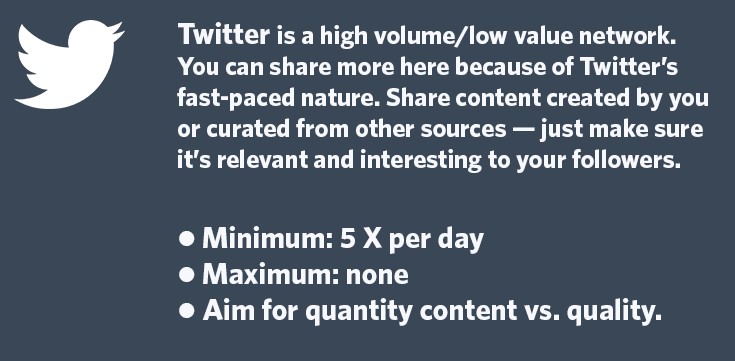
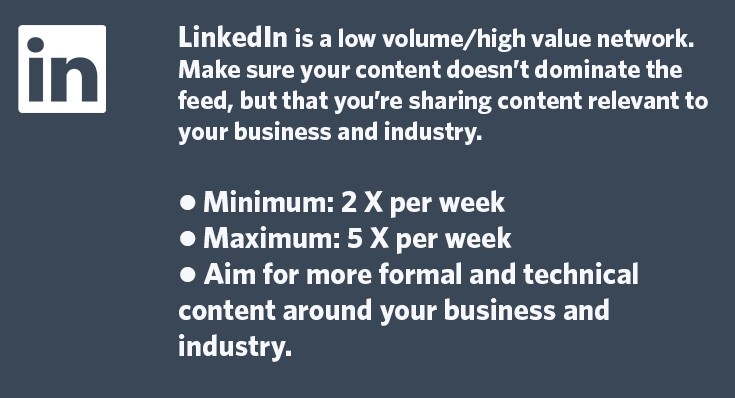
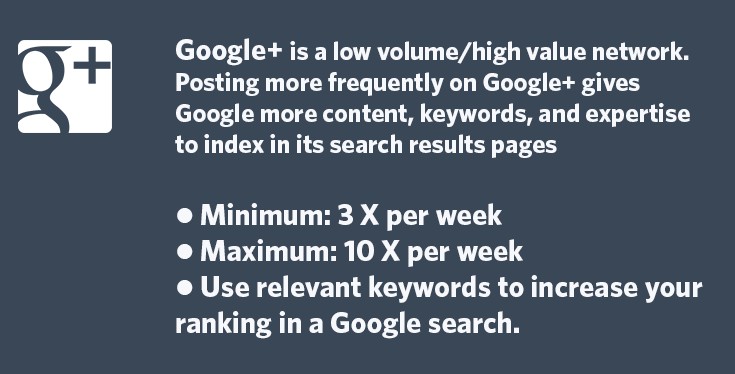
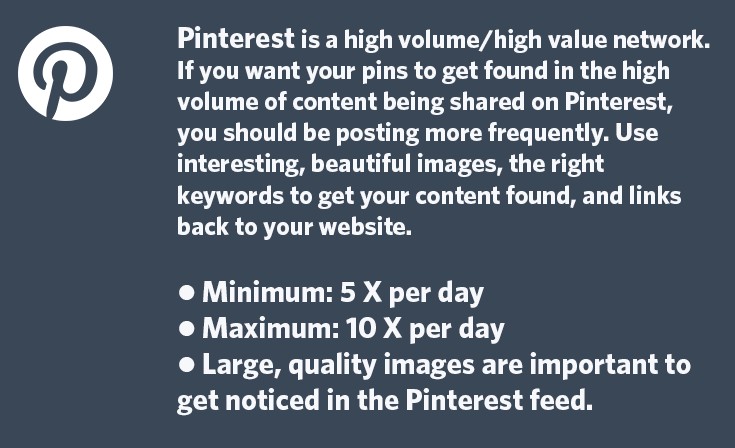
Thanks to our friends at Constant Contact for this great information.  Social Media 1

Social Media 2

Social Media 3

Social Media 4

Social Media 5

Social Media 6


EDI Manager now available with your backOffice™ Software

August 28, 2013

23

WANT TO SAVE SOME SERIOUS TIME?

Insight Retail Software  is proud to announce the release of EDI Manager.  Almost every vendor can supply you with an electronic invoice of your order, and our new EDI Manager allows you to import these invoices directly into backOffice™.

Once imported, backOffice™ will identify new products received in the order, any price or cost changes and the quantity shipped of each item.  With the click of a button, new items are added, price and cost changes are made, and an order is created in the inventory module!

Just another way to run your business more effectively and save you time.

For more information please complete the form below.  Thank you!

Go back

Your message has been sent

Warning
Warning
Warning
Warning
Warning
Warning

Warning.


Proposed Federal Excise Tax on Cigarettes/Tobacco

July 9, 2013

Image

The proposed 2014 federal budget could mean bad news for c-store and retail stores who sell cigarettes and tobacco. The proposed budget includes a 94-cent per pack levy increase on cigarettes, with a comparable increase on all other tobacco products. The tax is expected to generate about $78 billion over the next ten years, but will undoubtedly add challenges for c-store owners who already struggle in the world of tobacco retailing. Learn More Here.
Luckily, backOffice™ can make this transition a little easier. With our Group Change feature, we make it easy to select all of your cigarettes or tobacco products at once and change your prices to reflect the tax increase. Group Change is perfect for “across the board” price changes like this one, and is a huge time saver compared to changing each price individually.

Image

If this tax ends up affecting your sales, and in turn your inventory levels, we’ve got you covered! Reorder using our “Order Based On Sales” feature over any time period, and backOffice™ will reorder your products based on quantity sold, making sure you always have what you need. Just another way to help you run your business more effectively, be successful, and Do Better.


Good Luck to Roy Morris ~Morris Marketing

June 28, 2013

Roy Morris has been a valued customer of IRSI since November, 2007 when he purchased backOffice™ to run his two stores in Butte, MT.  Roy is not only a customer but has become a good friend as we have exchanged stories and heard of his many adventures with ice boating during the winter months and river rafting during the summertime in their beautiful State of Montana.  Roy and his wife have sold their C-Stores and will no longer be a backOffice™ customer but will remain a friend.

Today in an email exchange he stated “You’ve been an important part of our retail success and I hope I can do you a good turn in the future.”  So we want to say GOOD LUCK to Roy and Deb as they head into their next chapter of life!  As Roy would say “Happy Trails” !

Looks like they are having fun!  Cheers Roy and Deb!
roy morris


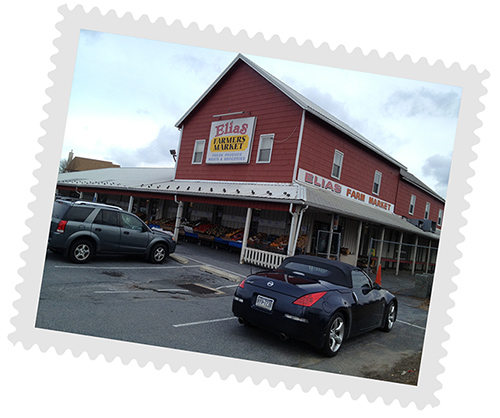
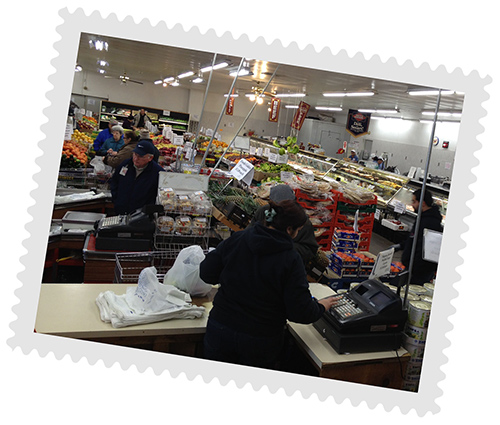
Elias Market – Eat your fruits and vegetables!

February 1, 2013

We are very excited to have added Elias Market to our circle.  Elias Market has two specialty food stores, located in Beth and Allentown PA, where among other things they sell amazing produce.

We were brought in by Andy from Andy Bednar’s Point of Sale to help improve the system at the store.  The customer uses Datasym 650 cash registers and with their growing business needed a better way to maintain their ever-changing prices. They will be able to maintain both stores from their main location.

Tina and I are huge consumers of produce, we use a Vitamix to make green shakes for breakfast every day.  These shakes contain fruits and vegetables and truly offer noticeable health benefits.  We go to lots of different stores to get the ingredients (right now its Green Grocer (IRSI customer) Aldi, Price Chopper (one of our local chains of grocery stores) and Walmart).  If we lived anywhere near Elias we would only go there for sure.  Not only do they carry an amazing variety of produce but also beautiful meats and specialty items.

Visit them if you are even close, I know I would!

Elias Market eliasinside